When to Change Strings and Bow Hair
Maintaining the consumables of a bowed instrument is critical for both tonal brilliance and the physical integrity of the instrument. Whether you are a professional musician in the Adelaide Philharmonic or a dedicated student, knowing exactly when to replace your strings and bow hair prevents permanent damage to the bridge and fingerboard.
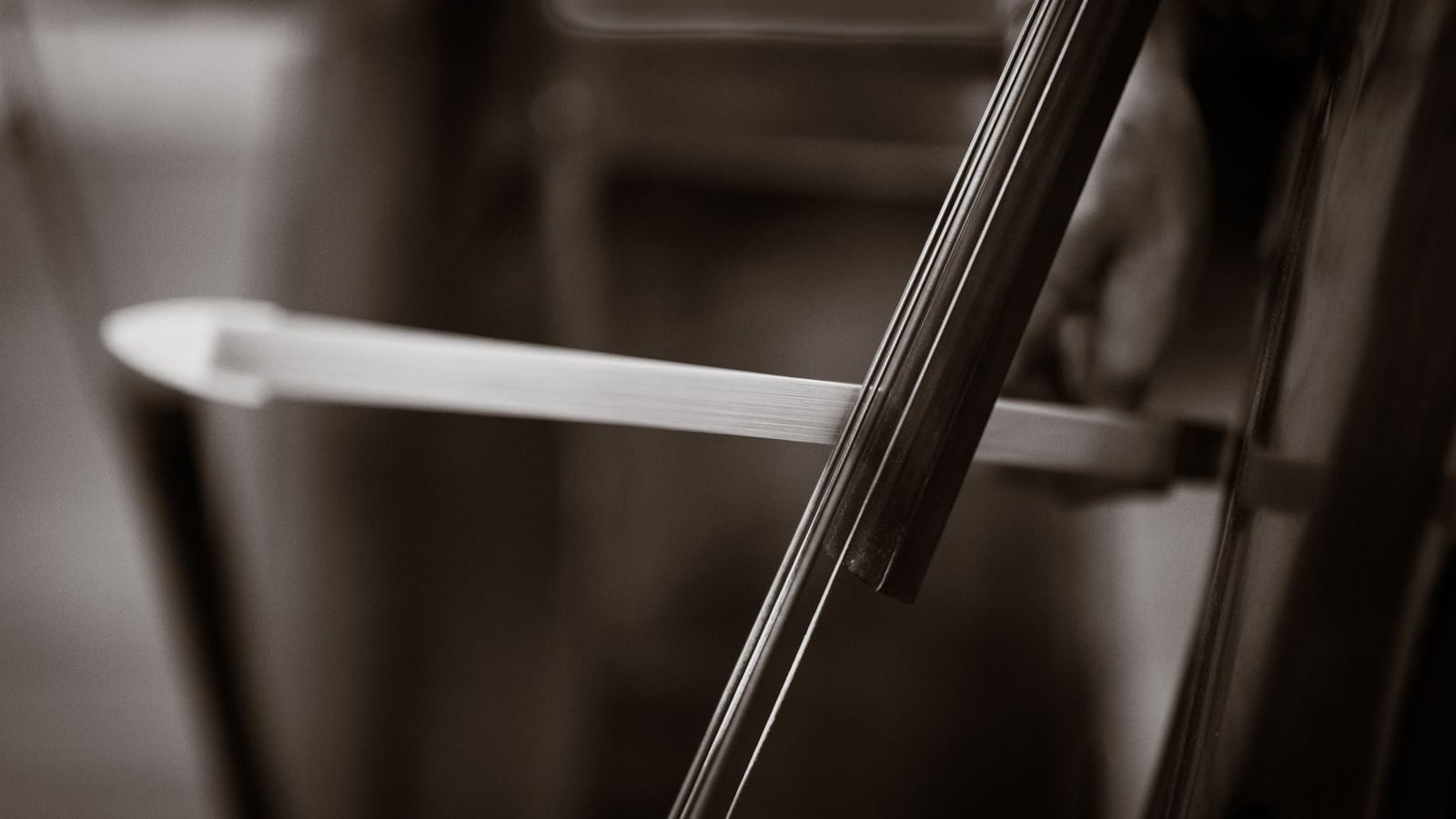
The Lifecycle of Bow Hair
Bow hair is organic and subject to wear through friction and the accumulation of rosin. Over time, the hair loses its elasticity and its ability to "grip" the string effectively. In the variable climate of South Australia, where humidity can fluctuate significantly, the tension of the bow can be affected, accelerating the wear of the hair.
The most obvious sign that your bow needs rehairing is a loss of projection. If you find yourself applying more pressure to achieve the same volume, or if the bow feels "slippery" despite having adequate rosin, the hair has likely worn down. Furthermore, if you notice individual hairs breaking frequently or the hair appearing grey or brittle, it is time to visit the workshop.
Identifying Worn Strings
Strings are not just about sound; they are about stability. A string that has been in use for too long loses its structural integrity, leading to "false" tones where the string does not vibrate consistently across its entire length. This is particularly noticeable in the higher positions of the fingerboard.
Physical signs of wear include visible corrosion, darkening of the metal winding, or a loss of brilliance in the tone. If your instrument requires tuning more frequently than usual, it is often a sign that the string has reached its elastic limit and can no longer hold a stable pitch. In Adelaide's coastal environment, salt in the air can accelerate the oxidation of certain string materials, making regular inspection essential.
The Risk of Neglect
Continuing to play on dead strings or worn bow hair does more than just degrade your performance. Worn strings can develop uneven tension, which puts undue stress on the bridge and can lead to warping. In extreme cases, a snapping string during a performance can cause a sudden shock to the instrument's top plate.
Similarly, a bow that is over-tightened to compensate for stretched, old hair can warp the bow stick itself. Once a bow stick loses its camber, the repair is far more costly than a simple rehair. Professional maintenance ensures that the tension remains balanced and the instrument remains in peak condition.
Maintenance Checklist for Bowed Instruments
| Component | Check Frequency | Critical Warning Signs |
|---|---|---|
| Bow Hair | Every 3-6 months | Frequent breakage, loss of grip, visible thinning |
| Strings | Every 6-12 months | Dull tone, frequent tuning slips, visible corrosion |
| Rosin Build-up | Weekly | White powder on the instrument body and strings |
| Bridge Alignment | Monthly | Leaning toward the fingerboard or tailpiece |
Local Considerations for Adelaide Musicians
Adelaide's climate presents specific challenges for string players. The shift between dry winters and humid summers affects the tension of both the strings and the bow hair. We recommend a professional check-up at the start of each season to ensure your instrument is adjusted for the current atmospheric conditions. Our workshop maintains a strict climate control of 45-55% humidity to ensure that all adjustments are precise and stable.
For those transporting instruments between the city center and the Adelaide Hills, the temperature variance can cause strings to slip. Keeping your instrument in a high-quality case and scheduling regular maintenance is an effective way to mitigate these environmental risks.
Professional Replacement vs. DIY
While changing a string might seem simple, the process of winding and seating a new string correctly is vital to avoid snapping the bridge. Professional installation includes a check of the bridge curvature and a verification of the soundpost's position. For bow rehairing, the process requires specialized tools to ensure the correct tension and alignment of the hair bundle.
At Bociwuumgroup, we provide a comprehensive report on the state of your instrument during every maintenance session. This ensures you know exactly what has been replaced and what may need attention in the coming months.
Integrating Your Care Routine
String and bow maintenance should be part of a larger care strategy. For instance, if you also play guitar, you will notice that seasonal changes affect all wooden instruments. We invite you to read our guide on Guitar Care During Seasonal Changes to understand the broader impact of weather on your collection.
If you are unsure whether your current set of strings is still viable, we recommend booking a professional assessment. We offer specialized Bowed Instrument Maintenance to keep your sound pristine.
Ready for a Professional Tune-up?
Don't wait for a string to snap during a rehearsal. Ensure your instrument is performing at its peak with a professional setup.
Book Your Maintenance