Guitar Care During Seasonal Changes
Wooden instruments are living organisms that breathe and react to their environment. In a city like Adelaide, where we experience distinct shifts between Mediterranean summers and cooler winters, your guitar is subject to constant physical stress. Understanding how to manage these transitions is the difference between a lifelong instrument and one plagued by structural failures.
The Science of Wood and Humidity
The primary enemy of any acoustic or electric guitar is the fluctuation of relative humidity (RH). Wood is hygroscopic, meaning it absorbs and releases moisture from the air. When the air is too dry—common during Adelaide's scorching summer months—the wood shrinks. This contraction can lead to "checking" (small surface cracks) or, in severe cases, structural cracks in the soundboard.
Conversely, during the humid periods of autumn and winter, the wood expands. While this is generally less destructive than extreme dryness, excessive moisture can cause the guitar top to swell, leading to high action (string height) and a "dead" sound as the instrument loses its resonance. At our Adelaide workshop, we maintain a strict climate control of 45-55% humidity to ensure every instrument is stabilised before it returns to the owner.
Summer Challenges in South Australia
Adelaide summers are notorious for low humidity and high temperatures. If you store your guitar in a room with active air conditioning, you are effectively removing moisture from the air, which in turn pulls moisture out of the guitar's spruce or mahogany. This often results in the fret ends becoming sharp as the fingerboard shrinks faster than the frets.
To combat this, we recommend using a dedicated humidifier inside your hard case. Avoid placing your instrument near heat sources, such as radiators or in direct sunlight through a window, as this accelerates the drying process and can damage the nitrocellulose or polyurethane finish.
Winter Transitions and Expansion
As we move into the cooler months, the risk shifts toward excessive moisture. A guitar that has expanded in the winter may feel difficult to play, with the strings sitting too high above the fretboard. This is a natural reaction to the South Australian winter, but it can be mitigated by using silica gel packs or dehumidifiers in your storage area.
It is crucial to avoid sudden temperature shocks. Moving a guitar from a cold car directly into a warm living room can cause condensation to form inside the instrument, which may affect the glue joints and the overall stability of the bridge.
The Role of Professional Setup
Because the instrument's geometry changes with the weather, a "set and forget" approach to maintenance does not work. A guitar that played perfectly in July may feel sluggish or buzzy by December. This is why seasonal adjustments are necessary.
Our Guitar Setup and Adjustment service includes a full inspection of the neck relief and action. We adjust the truss rod to compensate for the wood's movement, ensuring that your playability remains consistent regardless of the weather outside. Regular check-ups prevent long-term warping and preserve the instrument's value.
Essential Care Checklist
| Condition | Risk | Recommended Action | |||
|---|---|---|---|---|---|
| Low Humidity (<40%) | Cracks, sharp fret ends | In-case humidifier, avoid AC vents | |||
| High Humidity (>60%) | High action, muffled tone | Dehumidifier, silica gel packs | Extreme Heat | Finish bubbling, glue failure | Hard case storage, shaded areas |
Storage Best Practices
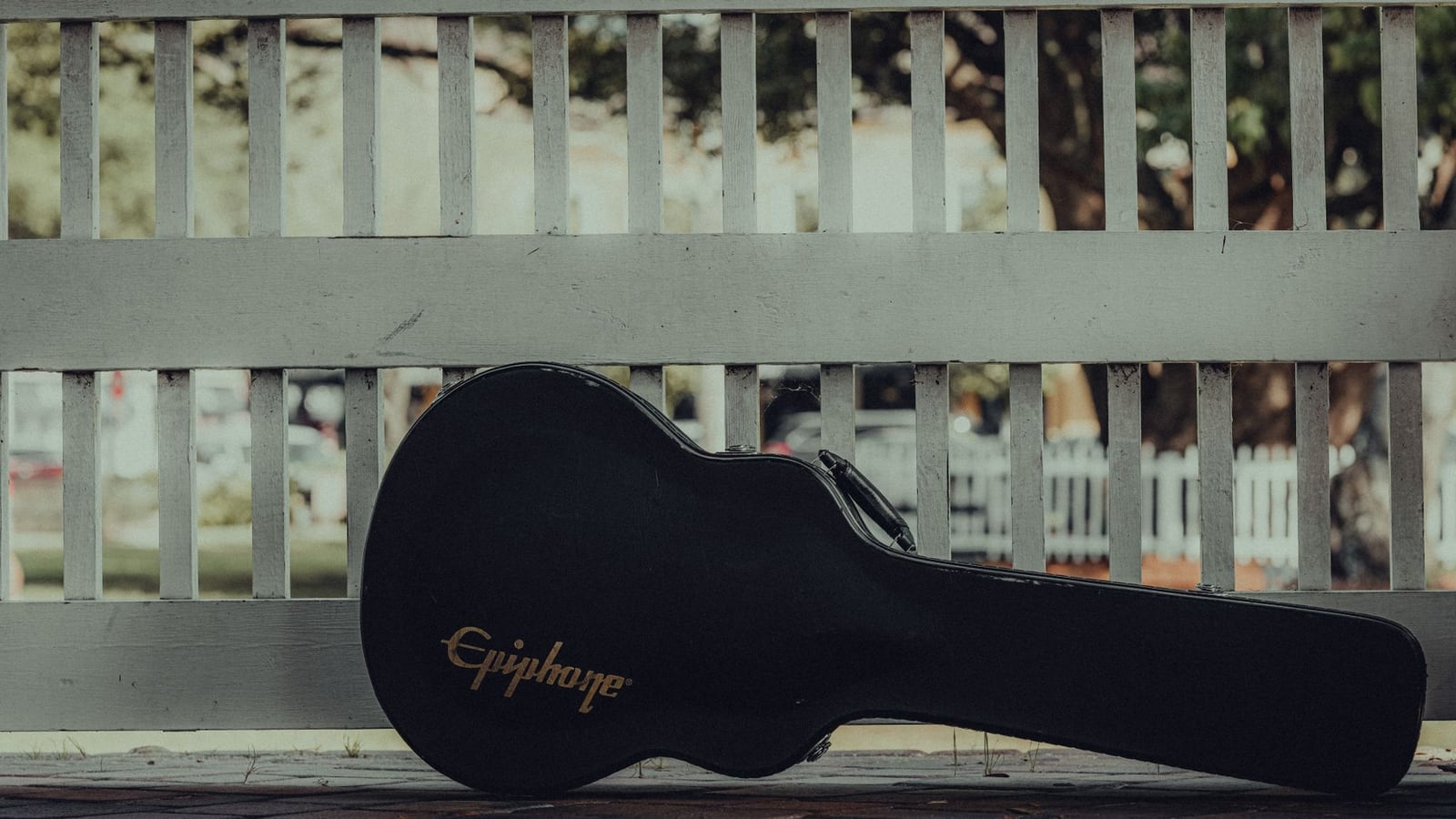
For most musicians in Adelaide, the safest place for a guitar is a high-quality hard case. A case acts as a buffer, slowing down the rate at which the instrument reacts to environmental changes. If you leave your guitar on a stand, it is exposed to every fluctuation in the room's atmosphere.
We suggest investing in a digital hygrometer. By monitoring the humidity of your storage room, you can take proactive steps—such as activating a humidifier—before the wood begins to shrink. Remember, prevention is significantly cheaper than repairing a cracked soundboard.
When to Seek Professional Help
While basic humidity control is a homeowner's task, structural adjustments require precision tools. If you notice the following signs, it is time to visit our studio:
- Visible gaps between the bridge and the guitar body.
- Fret wires protruding from the side of the neck.
- Significant buzzing on the first five frets.
- A noticeable "bow" or "dip" in the neck when viewed from the bridge.
If you are unsure about the state of your instrument, you can contact us for a professional assessment. We provide a detailed report on the instrument's condition and recommend the necessary steps to stabilise it.
Further Reading
Maintaining your guitar involves more than just climate control. The physical components, such as strings and bow hair for other instruments, also degrade over time and react to the environment. For more information on maintenance cycles, read our guide on When to Change Strings and Bow Hair.