Pricing Insights
Understanding Instrument Setup Costs
Investing in the professional maintenance of a musical instrument is not merely a cost, but a preservation of tone and playability. For musicians in Adelaide, understanding how luthier fees are calculated helps in planning maintenance cycles and ensuring the longevity of the instrument.
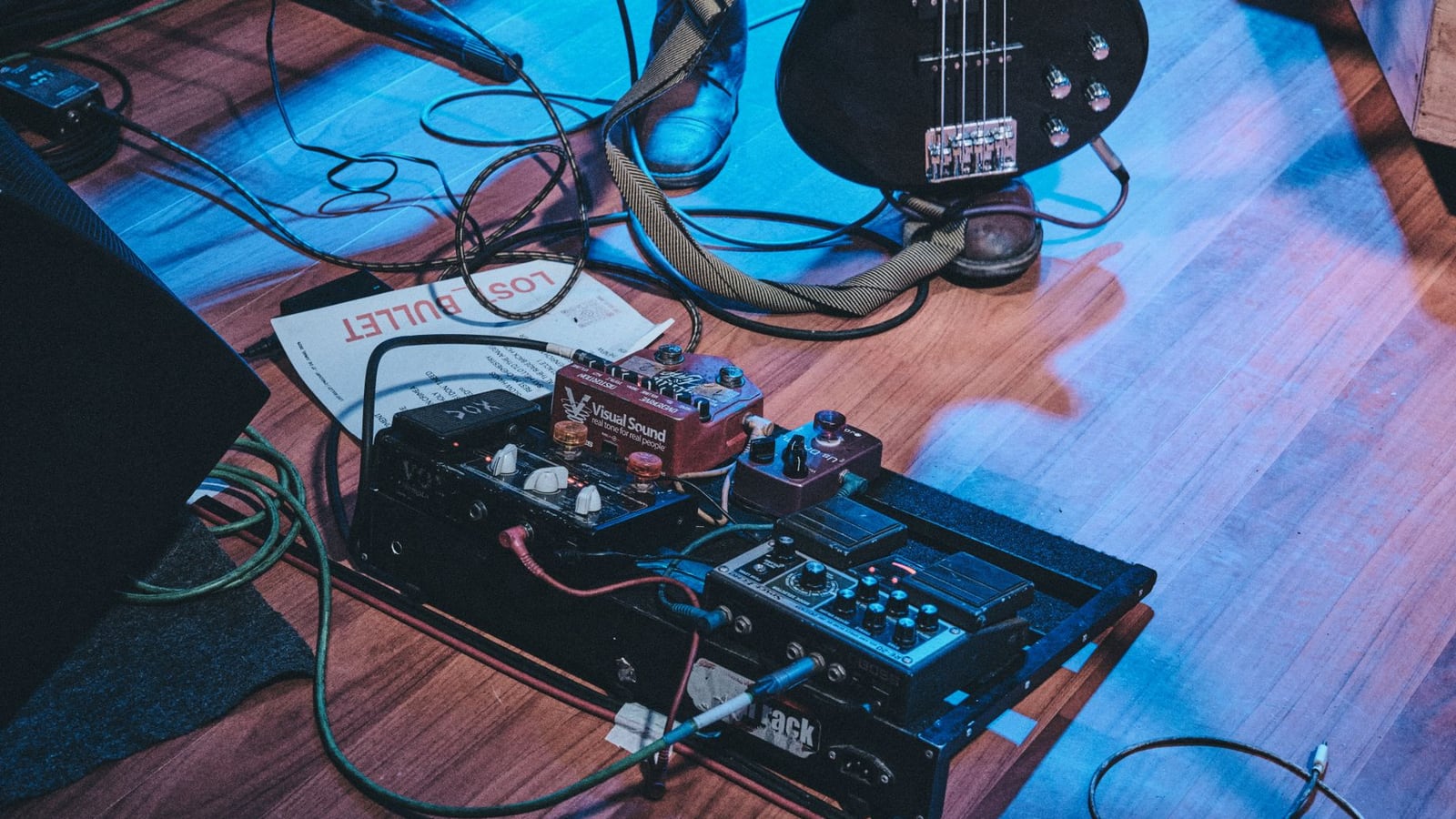
The Anatomy of a Setup Fee
When you bring an instrument to a professional workshop, the cost is rarely a flat fee for a single action. A comprehensive setup involves a series of interdependent adjustments. For example, adjusting the action on a guitar requires checking the neck relief, the nut height, and the bridge saddle. If one is off, the others cannot be perfected. This holistic approach is why professional setups are priced as packages rather than individual tasks.
In our Adelaide studio, we focus on precision. The cost reflects the time spent on meticulous measurements and the use of specialised tools to ensure the instrument meets the specific needs of the player, whether they are a student at a local conservatory or a professional performer.
Factors Influencing Maintenance Pricing
Several variables can shift the final price of a service. The primary factor is the current state of the instrument. An instrument that has been kept in a climate-controlled environment is generally easier to adjust than one that has suffered from the extreme humidity swings common in South Australia.
Material quality also plays a role. Working with vintage instruments or those with rare woods requires a higher level of caution and slower pace to avoid damaging irreplaceable components. Additionally, the complexity of the instrument—such as a multi-scale fretboard or a complex bridge system—adds to the labour hours required.
Deep Dive: Fret Work and Leveling
Fretwork is one of the most labour-intensive aspects of instrument maintenance. Over time, frets wear down in the areas where you play most, leading to "divots" that cause buzzing. Leveling involves sanding the tops of the frets to a perfectly flat plane, followed by crowning and polishing.
If the wear is too severe, a full refret is necessary. This is a significant operation involving the removal of old tangs and the precise installation of new wire. Because this process is time-consuming and requires absolute precision to maintain the instrument's intonation, it is one of the more expensive services. You can find detailed pricing for these specific tasks on our fret replacement and leveling page.
| Service Level | Primary Focus | Typical Outcome |
|---|---|---|
| Basic Adjustment | String height and tuning stability | Improved playability |
| Standard Setup | Intonation, action, and neck relief | Consistent feel across the neck |
| Precision Overhaul | Fret leveling, nut replacement, deep cleaning | Like-new performance |
The Impact of Adelaide's Climate
Adelaide's weather can be challenging for wooden instruments. The shift between hot, dry summers and cooler, damper winters causes wood to expand and contract. This movement directly affects the action and the stability of the bridge. An instrument that was perfectly set up in July may feel completely different by January.
We recommend that local musicians schedule a "seasonal check" to avoid permanent damage like cracks or warping. For more information on managing these environmental shifts, please read our guide on guitar care during seasonal changes.
What is Usually Not Included
It is important to distinguish between a "setup" and a "repair." A setup is the optimisation of a functioning instrument. Repairs, such as fixing a cracked soundboard, repairing a broken headstock, or replacing missing hardware, are typically billed separately as they fall outside the standard setup protocol.
Furthermore, we adhere to strict international regulations. We do not perform work on instruments containing prohibited materials (such as certain types of ivory or Brazilian Rosewood) without valid CITES documentation. This ensures that all our work remains legal and ethical.
Planning Your Maintenance Budget
To avoid unexpected costs, we provide a transparent process. Every instrument undergoes a diagnostic phase. At Bociwuumgroup, this initial diagnosis is provided free of charge. We then provide a detailed estimate, which must be agreed upon before any work commences. This ensures there are no surprises when you collect your instrument.
For most professional-grade instruments, a comprehensive setup every 12 to 18 months is recommended to maintain optimal performance and prevent long-term wear on the frets and bridge.
Summary Checklist for Instrument Owners
- Check for fret wear (divots) in the first five positions.
- Listen for buzzing on open strings or specific frets.
- Observe the gap between the strings and the fretboard (action).
- Verify if the tuning pegs are slipping or feeling "gritty."
- Assess if the instrument's response has changed with the season.
If you notice any of these signs, it may be time for a professional adjustment. You can contact us today to arrange a time to bring your instrument into the studio for a free diagnostic check.